

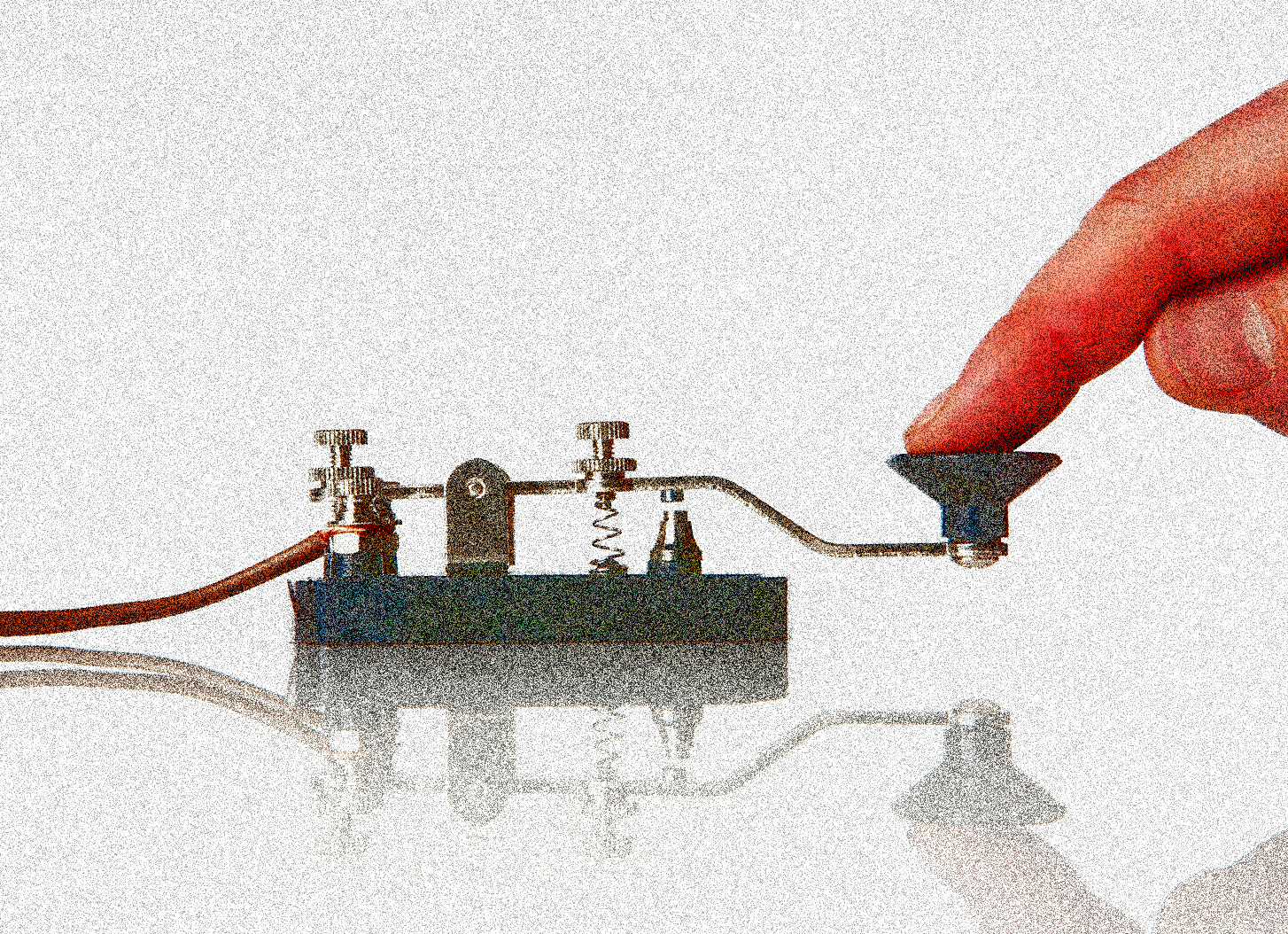
I was a ham radio operator when I was a kid. I was really into it, but never had enough dough to really do it right. I’ve played with the idea of getting back into it now that I’ve got a few nickels to rub together, but don’t seem to have the time. I often wonder if now there is a true need for us shrews to create some way of communicating if the world really does go up in flames.
I wrote an article a while back (you can check it out here) where I suggested this idea of shrews brushing up on their morse code and creating some kind of shrew radio network. It might be worth the trouble. In that piece, I dove into the basics: how amateur radio, or “ham” as we call it, could be a lifeline for critical thinkers like us in a blackout scenario. I talked about low-power setups, antennas you can hide in your backyard, and why Morse code is the shrew’s best friend—simple, efficient, and hard to jam. Some of it holds up fine, but let’s update a few bits. For instance, I mentioned concerns about big-money players like George Soros snapping up radio stations (real ones, not amateur) to control narratives. Well, that’s not outdated; it’s only deepened.
Back in 2024, Soros Fund Management scooped up over $400 million of Audacy’s debt on the cheap, paving the way for effective control of the second-largest U.S. radio broadcaster—hundreds of stations reaching over 165 million listeners in major markets. The FCC green-lit the bankruptcy restructuring and license transfers late that year, handing the reins to Soros-affiliated entities despite fierce pushback from Republican commissioners and Congress over potential foreign influence and a suspiciously expedited “shortcut” process.
Fast-forward to 2026, and Audacy’s still operating under that shadow—Soros-linked control holds firm, even as probes linger, foreign ownership tweaks get made, and the company trims podcast sides while expanding other deals. It’s a stark reminder that even traditional broadcast airwaves aren’t immune to agenda-driven consolidation. If the mainstream frequencies keep getting co-opted, us independent shrews might need our own frequencies more than ever.
